Navigating the NFT Trading Landscape: Strategies and Insights


Intro
As the digital age evolves, the concept of ownership has taken on entirely new dimensions, especially pertaining to assets represented as Non-Fungible Tokens (NFTs). NFTs have crept into various spheres, from art and music to gaming and real estate, making them a buzzword in the cryptocurrency domain. Yet, they are not just a passing fad. For investors and traders, understanding this vibrant ecosystem is akin to learning the ropes of a new, intricate market.
NFT trading is a multifaceted endeavor, layered with both opportunity and risk. What does it mean to trade these tokens? How does the market operate, and what platforms facilitate these transactions? Throughout this piece, we’ll embark on a thorough exploration of the NFT trading landscape, equipping you with the necessary insights and strategies to navigate it effectively.
From demystifying blockchain technology to highlighting current trends, this guide will pave the way for informed decision-making. Whether you’re dipping your toes into NFT trading for the first time or looking to refine your existing strategies, the importance of knowledge in this arena cannot be overstated.
Let’s kick things off by laying the foundation. Understanding the core principles behind cryptocurrency and NFTs is crucial before diving deeper into market nuances and trading tactics.
Cryptocurrency Fundamentals
Understanding Blockchain Technology
At the core of NFTs lies blockchain technology. This decentralized, digital ledger system allows for the verification and storage of data without the need for a central authority. Transactions are recorded in blocks, which are then chained together - hence the name, 'blockchain.' Each NFT exists as a unique token on this ledger, distinguishing itself from other tokens and traditional cryptocurrencies like Bitcoin or Ethereum, which are fungible.
Here are a few vital aspects to know about blockchain in relation to NFTs:
- Decentralization: No single entity controls the blockchain, reducing the risks of fraud and manipulation.
- Transparency: Every transaction is recorded publicly, enhancing accountability.
- Immutability: Once a transaction is added to the blockchain, it cannot be altered or deleted.
In essence, blockchain technology provides the framework that ensures the authenticity and uniqueness of NFTs, a critical factor that traders must recognize and understand.
Key Concepts in Cryptocurrency Trading
Trading cryptocurrencies can feel daunting at first glance, more so with the rise of NFTs. Here are essential concepts that every NFT trader should grab hold of:
- Market Capitalization: This indicates the total value of a particular cryptocurrency or NFT collection, vital for understanding market size and potential.
- Liquidity: This refers to how easily an asset can be bought or sold in the market. NFT liquidity can vary greatly compared to more established cryptocurrencies.
- Volatility: The cryptocurrency market is known for its fluctuating prices. Understanding this aspect can help traders navigate risks effectively.
As we delve deeper into NFT trading, grasping these fundamental concepts will illuminate the intricate workings of this sector, helping traders make wise choices and optimize their strategies.
Understanding Non-Fungible Tokens
In the ever-evolving world of digital assets, grasping the concept of Non-Fungible Tokens (NFTs) is akin to understanding the intricate workings of a clock. The gears, while independent, all work together to create a cohesive and functional entity. In this section, we’ll peel back the layers of NFTs, uncovering their significance in the trading landscape and the unique traits that set them apart from more conventional digital assets.
NFTs are particularly important as they bring authenticity, ownership, and provenance to the digital realm. Imagine trying to buy a classic painting—it’s not just the artwork that matters, but the proof that it’s the original. NFTs serve that purpose for digital items, providing a certificate of authenticity that a simple JPEG lacks. Collectors, artists, and investors are now diving into this realm, motivated by the potential for unique opportunities and the thrill of ownership in the digital age.
Defining NFTs
At its core, a Non-Fungible Token is a unit of data stored on a blockchain that verifies ownership of a unique digital item. Unlike cryptocurrencies such as Bitcoin or Ethereum, which are fungible—meaning each coin is interchangeable—NFTs are one-of-a-kind. For example, if you own a Bitcoin, it doesn’t matter which specific one you have, as they all hold the same value. But if you have an NFT of a famous digital artwork, say "Everydays: The First 5000 Days" by Beeple, that token is distinct from any other.
This uniqueness is enshrined on the blockchain, which means that the information regarding ownership and transaction history is transparent and immutable. To delve deeper into the mechanics, consider the following aspects:
- Ownership: Each NFT has a unique identifier that distinguishes it from all others in the ecosystem.
- Programmable Nature: Smart contracts empower NFTs with certain advantages, like ensuring creators receive royalties for future sales.
- Digital Scarcity: Artists and creators can set the number of copies available, adding to the item’s perceived value and exclusivity.
How NFTs Differ from Traditional Tokens
The distinction between NFTs and traditional tokens goes beyond simple definition. While traditional tokens serve more typical transactional functions, NFTs operate on the premise of uniqueness. Here are a few critical differences that underline this distinction:
- Fungibility: Traditional tokens are fungible—one Ethereum coin can be traded for another without loss of value. In contrast, each NFT is non-fungible and unique. You cannot trade one NFT for another and expect them to hold identical value; their worth may vary greatly based on artistry, creator status, and market demand.
- Use Cases: Traditional tokens are primarily meant for currency and value transfer, whereas NFTs find utility in various creative and commercial fields including art, music, gaming, and real estate. Artists can fully express creativity, and gamers can showcase in-game assets in ways that traditional assets do not allow.
- Market Dynamics: The markets for NFTs can be more volatile, driven by trends and emergent cultural phenomena. A piece of digital art might skyrocket in value based on online trends or influencers, a factor that typically does not affect traditional cryptocurrencies to the same extent.
Understanding these distinctions not only sheds light on the mechanisms of NFTs but also prepares you to navigate the NFT marketplace with greater insight. By appreciating the nuances of NFTs and their distinct presence in the trading landscape, you can better position yourself to make informed decisions.


The Evolution of Digital Assets
The evolution of digital assets, particularly Non-Fungible Tokens (NFTs), marks a pivotal shift in how we perceive ownership and value in the digital realm. This transformation has significantly affected not just collectors and artists, but also how investors approach this vibrant landscape. With the rapid integration of NFTs into mainstream culture, understanding this evolution is crucial for anyone looking to engage meaningfully in the marketplace.
Digital assets represent various forms of value that exist in a binary format. Unlike traditional investments such as stocks or bonds, digital assets, particularly those utilizing blockchain technology, provide a unique opportunity for ownership that is both verifiable and secure. This evolution began with cryptocurrencies, which introduced decentralized finance, allowing users to exchange value without central authorities. However, it is the advent of NFTs that has taken this innovation further, allowing for the tokenization of individual assets, leading to new paradigms of ownership.
The major benefit of this evolution is the democratization of access to assets once limited to exclusive circles—be it art, music, or collectibles—anyone can now participate in ownership opportunities that were previously unthinkable. As we delve deeper into this subject, we'll highlight the elements that make NFTs distinct from other digital assets, and underline their growing relevance in today’s digital ecosystem.
"The rise of NFTs is not just a technological advancement; it is a cultural renaissance that empowers digitized art and creativity."
The Role of Blockchain Technology
Blockchain technology serves as the backbone of NFTs, enabling their unique attributes and functionalities. Each NFT exists as a singular unit on the blockchain, which ensures that every transaction is recorded, traceable, and immutable. This decentralized structure eliminates the need for intermediaries, thus allowing creators and consumers to engage directly.
Moreover, blockchain technology enhances security. The cryptographic nature of this system significantly reduces the risk of counterfeiting, ensuring that ownership can be easily and transparently validated. For artists and creators, this means greater control over their work and potential to earn royalties through resale.
For traders, understanding how blockchain works is invaluable. Knowing how to navigate various blockchains that host NFTs—like Ethereum and Binance Smart Chain—can help traders anticipate transaction fees and processing times, making them better equipped to trade effectively.
Historic Milestones in the NFT Space
The NFT space has witnessed several historic milestones that contributed to its rapid growth and acceptance. Some of these key developments include:
- CryptoKitties (2017): Often cited as the catalyst for the NFT craze, this platform allowed users to breed and trade virtual cats, showcasing the potential of blockchain for creating unique digital ownership.
- The First NFT Artwork Sale (2018): The transaction of a digital artwork by artist Kevin McCoy for $1.4 million underscored the financial viability of NFTs, initiating a surge in creator interest.
- Beeple’s "Everydays: The First 5000 Days" (2021): This digital artwork sold for a staggering $69 million at Christie’s, further legitimizing NFTs and attracting high-end collectors and high-profile investors.
- Integration into Gaming (2021): Major gaming companies like Ubisoft began incorporating NFTs, thus illustrating the functional use of digital assets beyond mere collectibles.
These milestones not only mark significant leaps in the NFT domain but also signal the increasing mainstream acceptance of digital assets as a legitimate form of investment.
Analyzing the NFT Marketplace
Understanding the NFT marketplace isn't just about knowing where to buy and sell digital assets; it’s about gaining insight into the underlying dynamics that define this burgeoning field. The importance of divining the marketplace lies in its complexity, where various platforms host unique ecosystems of creators, investors, and collectors. With several factors influencing the behavior of traders and the valuation of assets, a comprehensive analysis can ultimately empower decision-making and foster better outcomes.
Additionally, grasping the nuances of each marketplace can fuel strategic advantages. Certain platforms cater specifically to art, while others might be more suited for gaming items or collectibles, thus shaping both the types of NFTs that thrive and the audience engaged. With this in mind, let’s dive into the key marketplaces and current trends affecting user behavior.
Key Marketplaces for NFT Trading
NFT marketplaces have emerged as the hubs where transactions occur, each offering distinct features and user experiences. Here are some of the major players:
- OpenSea: The largest decentralized marketplace for NFTs, covering varied categories like artwork, domain names, and music. It is user-friendly and supports Ethereum-based assets.
- Rarible: This platform focuses on user-driven participation, allowing creators to issue their NFTs and dictate community rules through governance tokens.
- Foundation: A more curated marketplace aimed primarily at artists, it offers a mix of exclusivity and community interaction, making it a favorite among digital artists and collectors.
- Mintable: Targeted at those who wish to mint their NFTs with ease, it is a platform that simplifies the creative process for everyday users looking to dive into the NFT space.
- SuperRare: With an emphasis on high-quality art, this platform connects collectors with artists, ensuring a level of exclusivity and rarity for both parties involved.
Each platform features its own set of benefits and challenges, highlighting the importance of aligning one's trading strategy with the appropriate marketplace. This shapes not only accessibility but gives insight into community dynamics that can enhance or inhibit trading success.
Market Trends and User Behavior
As the NFT landscape matures, understanding market trends and user behavior becomes imperative for effective trading. Factors such as collector demographics, buying motivations, and even seasonal trends influence the marketplace significantly.
- Collector Demographics: A wide range of investors enter the NFT space, including seasoned collectors from traditional art backgrounds and crypto enthusiasts alike. Matching their preferences with suitable NFT offerings is essential for sellers.
- Buying Motivations: Some users buy NFTs for investment, while others seek ownership of unique digital assets for personal fulfillment or community belonging. Recognizing these motivations can assist traders in targeting their offerings correctly.
- Seasonal Trends: Just as in traditional markets, peaks and valleys can arise within the NFT landscape. Specific events like major digital art fairs or gaming tournaments can drive sudden spikes in interest, dictating market movements.
"Keeping your ear to the ground regarding emerging trends can make the difference between a wise investment and a missed opportunity."
In summary, a well-rounded grasp of the NFT marketplace—spanning its key players and evolving user behavior—arms traders with the necessary tools to navigate this complex yet exciting environment. Recognizing how platforms and market conditions interplay can lead to informed strategies that enhance both profitability and enjoyment in trading digital assets.
Establishing a Trading Strategy
In the dynamic world of Non-Fungible Tokens, having a well-formed trading strategy is absolutely vital. Just like a ship needs a captain to navigate through choppy waters, traders need a solid plan to maneuver through the complexities of the NFT market. This section will explore how establishing a trading strategy can set traders on a path to success.
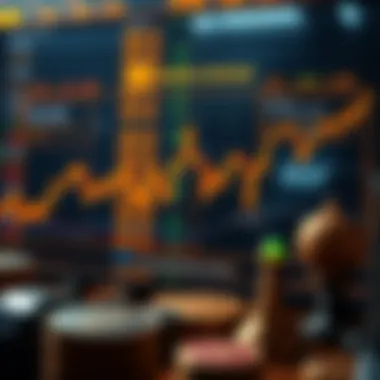

One of the key benefits of having a trading strategy is the ability to make informed decisions rather than letting emotions take the driver's seat. The NFT market is sizzling hot, and it can be easy to get caught in a frenzy, especially when a particular project hits the headlines. Staying grounded with a strategy allows for clarity amidst the noise, providing a framework for deciding when to buy or sell.
Identifying Valuable NFTs
Recognizing which NFTs hold the most value is crucial. This requires research and an eye for detail. There are several factors that contribute to an NFT’s worth:
- Rarity: The less common an NFT is, the higher its potential value.
- Creator Reputation: Works from well-known artists or brands tend to fetch higher prices.
- Historical Significance: NFTs with a notable backstory can attract buyers who are willing to pay a premium.
It's like sifting for gold in a river; you must know what you’re looking for. Platforms like OpenSea or Rarible often have filtering tools to help pinpoint trending or high-value items. One helpful practice here is to join NFT communities on platforms like Reddit or Discord—these spaces are buzzing with insights and can significantly enhance your market understanding.
Timing the Market
Market timing can feel like trying to catch lightning in a bottle. There’s no magic formula for predicting price movements in NFTs, but being aware of market trends and crypto cycles can give traders an edge. Pay attention to events that might affect prices, such as major announcements from influential figures or shifts in crypto legislation.
Here are a couple of tips to fine-tune timing:
- Follow the News: Stay updated on developments within the NFT community.
- Use Analytics: There are tools available that track the performance of NFTs and market trends—leverage these tools to make data-driven decisions.
A cautionary tale would be to avoid the FOMO (Fear of Missing Out) that can lead to premature purchases at inflated prices. Instead, consider entering or exiting the market during calmer periods to maximize gains and mitigate losses.
Setting Investment Goals
Establishing clear goals is like having a lighthouse guiding you through the fog. Are you in it for long-term investment, flipping for quick profits, or perhaps supporting artists you believe in? Your answers shape your trading approach.
Here’s how to set effective goals:
- Define Your Timeline: Decide how long you're willing to hold NFTs—short-term flips versus long-term portfolios require different mindsets.
- Risk Tolerance: Assess how much risk you’re comfortable with. This will help in choosing the right NFTs that fit your profile.
- Profit Targets: Setting definitive profit targets can help gauge when to cash in on your investments, safeguarding against market volatility with a clear endgame in sight.
"Without a plan, you’re just wandering around aimlessly. A trading strategy arms you with purpose and direction."
For further reading on market strategies, you might find Investopedia useful.
Executing Trades: A Step-by-Step Approach
In the rapidly evolving landscape of Non-Fungible Tokens (NFTs), executing trades effectively is crucial for investors, traders, and tech enthusiasts looking to make their mark. It’s not just about buying and selling; it involves understanding the nuances of transactions in this niche market. A well-executed trade can lead to significant gains, while a hasty or uninformed decision can result in losses. The importance of this section revolves around demystifying the trading process and providing actionable insights for those venturing into the world of NFTs.
Creating Wallets for NFT Transactions
Before one can dive into NFT trading, establishing a secure wallet is paramount. A crypto wallet acts like a digital bank account; it stores the private keys needed to access your NFTs and cryptocurrencies. There are various wallet options available – custodial wallets offer ease of access but lack full control, while non-custodial wallets provide ownership at the cost of managing security personally. To set up a wallet:
- Choose a Wallet Type: Decide between hot wallets (always online) and cold wallets (offline storage). The first is convenient for trading, the latter offers security against hacks.
- Follow Setup Instructions: Most wallets are user-friendly. Create an account, write down your seed phrase, and make sure to keep it safe.
- Transfer Cryptocurrency: Fund your wallet with cryptocurrency—Ethereum is the most common for NFT transactions. This makes ready for purchasing tokens.
By securing your digital assets in the right wallet, you lay a solid foundation for any NFT investment.
Navigating NFT Marketplaces
Once you’ve set up a wallet, the next step is figuring out where to trade your NFTs. The marketplace you choose can significantly affect your trading experience and the value you obtain. Popular platforms include OpenSea, Rarible, and Foundation. Here’s how to navigate through your choices:
- Explore and Compare: Each marketplace has its specialties—some focus on art, while others may highlight virtual real estate or collectibles. Engage with communities on forums such as reddit.com to gather insights.
- User Interface: A seamless interface makes navigation smoother. Look for intuitive ways to search, filter, and categorize NFTs.
- Fee Structure: Make sure to check transaction fees, listing fees, and royalties across different platforms. These costs can significantly eat into your profit margins.
In addition, familiarize yourself with the features of your chosen platform, like bidding systems and the social aspects that come with engaging communities.
Finalizing Transactions
The moment to finalize your transaction can be both exhilarating and nerve-wracking. Following the right steps ensures a smooth completion of your NFT trade. Here’s a straightforward guide on wrapping things up successfully:
- Review the Listing: Before clicking that final button, double-check the NFT details—be certain of what you’re buying, including ownership rights and the minting date.
- Confirm Gas Fees: Especially on Ethereum, gas fees can be volatile. Calculate potential costs at the transaction time to avoid surprises.
- Finalization: After hitting purchase, monitor your wallet to see if the NFT reflects correctly. There can be minimal delays, so patience is important.
Closing a trade is not the end; it’s a pivotal moment that can determine your next move. Stay informed after your purchase, as market dynamics can shift quickly, providing new opportunities.
“A prudent trader anticipates market changes before they happen; understand the landscape as you navigate your trades.”
By meticulously executing trades through wallet creation, navigating platforms smartly, and finalizing transactions diligently, you're better equipped to enjoy and capitalize on the burgeoning world of NFTs. Understanding these steps not only enhances your trading prowess but also positions you as a informed participant in this expanding arena.
Common Pitfalls in NFT Trading
Navigating the murky waters of NFT trading is not for the faint-hearted. The world of Non-Fungible Tokens has exploded, bringing both excitement and significant risks. Understanding the common pitfalls is essential for anyone looking to engage in this market. A single misstep can lead to profound financial losses or, at worst, the loss of one’s digital assets. This section will focus on two critical areas: recognizing scams and fraudulent activities, and avoiding emotional trading mistakes, equipping you with vital knowledge to steer clear of trouble.
Recognizing Scams and Fraudulent Activities
The digital asset ecosystem has its share of sharks lurking in the waters, waiting to prey on the unsuspecting. Scams can take numerous forms ranging from fake marketplaces to counterfeit NFTs. A common tactic involves individuals or platforms that promise unrealistic returns on investment. That's where exercising caution becomes paramount.
Some signs to look for include:
- Unverified projects: If a project lacks credible backing or a transparent roadmap, it's best to approach it with skepticism.
- Lack of community support: Genuine NFT projects usually have thriving communities on platforms like Discord or Twitter. If there’s little to no engagement, it might be a red flag.
- High-pressure tactics: If you're being pushed to buy quickly to avoid missing out, it’s likely a scam. Safe trades take time to evaluate.
Moreover, be cautious when dealing with online platforms. Always check their credibility by searching forums or resource sites. Websites like Reddit often host discussions that can clarify if a project is worth your time.
The Future of NFT Trading
As the dust settles from the initial frenzy of NFT trading, it becomes increasingly clear that the future of this market holds both opportunities and challenges. Understanding the implications of emerging trends and potential regulatory changes will be paramount for investors, traders, and tech enthusiasts alike. This section aims to shed light on what lies ahead in the NFT space, emphasizing strategic foresight and adaptation.
Emerging Trends to Watch
The world of NFTs is in a constant state of flux, with new developments shaping the landscape almost daily. A few key trends stand out:
- Integration with The Metaverse: The metaverse is poised to become a digital playground where NFTs may not only represent ownership of art but also have functional uses, such as virtual real estate or wearables in games. This evolving connection could bring both a surge in NFT utility and valuations.
- Fractional Ownership: As prices for high-value NFTs soar, fractional ownership models are becoming popular. Investors can buy shares of an NFT rather than the entire piece, lowering the financial barrier for entry and opening new avenues for trading.
- Sustainability Considerations: With increasing attention to environmental concerns related to blockchain technology, the demand for eco-friendly alternatives is on the rise. Projects that prioritize low-energy consumption and carbon offsetting mechanisms are likely to catch the eye of conscious investors. A shift to greener practices could be a game-changer.
“The next wave of NFTs will not just be about what you own, but how it fits within larger digital ecosystems.”
- Utility beyond Art: While art has dominated the NFT conversation, we’re starting to see potential in other sectors, like music, ticketing, and even real estate. The expansion into diverse applications is a significant indicator that the NFT market is maturing.
Staying abreast of these trends requires flexibility and a willingness to pivot strategies. Investors who pay close attention may find themselves positioned advantageously as the market evolves.
Potential Regulatory Changes
The unpredictable nature of regulatory landscapes can create waves, translating into significant consequences for NFT trading. Understanding potential shifts can be as vital as gauging market dynamics:
- Increased Scrutiny: Governments around the globe are contemplating the issuance of regulations that address issues like money laundering and consumer protection. The Securities and Exchange Commission (SEC) in the U.S. has shown interest in clarifying which NFTs might be classified as securities, impacting trading practices significantly.
- Tax Implications: As authorities seek to regulate cryptocurrency assets closely, clear guidelines will likely emerge regarding taxation on NFT transactions. Investors must prepare for how their profits—or losses—may be taxed and adjust their trading activity accordingly.
- Balancing Innovation with Compliance: It's crucial for NFT projects to stay ahead of the curve. Innovators may need to implement compliance measures early on, integrating features that meet regulatory standards while maintaining the creative spirit of NFTs.
Many view regulations as a hurdle, but they could ultimately enhance market trust and increase participation from mainstream investors. Anticipating these changes will allow traders to navigate challenges proactively rather than reactively.
Culmination
In wrapping up this comprehensive exploration of NFT trading, it’s crucial to underscore the significance of synthesizing the various insights presented throughout the article. As this digital landscape evolves at breakneck speed, keeping a finger on the pulse of trends and insights is paramount for traders, investors, and tech enthusiasts alike.
In the world of NFTs, there’s a lot more than mere price points involved. Understanding the key dynamics—from market trends to emotional pitfalls—matters immensely. When traders synthesize the key takeaways, they equip themselves with a robust framework to navigate the complexities of this market. Here are some specific elements that deserve attention:
- Market Understanding: Grasping how various marketplaces operate helps in selecting where to trade, as each has unique attributes and communities.
- Identifying Value: Learning how to assess the intrinsic worth of NFTs can distinguish successful trades from costly missteps.
- Strategizing Trades: Constructing a well-thought-out trading plan that considers timing, market sentiment, and potential pitfalls aids in decision-making.
Moreover, with potential regulatory changes on the horizon, as discussed in the previous section, a proactive approach to staying informed is paramount. This vigilance can mean the difference between capitalizing on opportunities versus falling prey to fluctuations or scams.
"Understanding the landscape equips the trader, ostensibly turning the tide in one's favor."